The Comprehensive Guide to EV Charger Installation: Benefits and Expert Practices
The installation of EV chargers presents significant advantages for both homes and businesses. Enhanced convenience and potential cost savings are primary benefits. Furthermore, selecting the right charger type is essential for peak performance. That said, a number of pre-installation factors must be evaluated to ensure compliance and safety. Understanding the installation process and maintenance practices is equally important. What factors should one prioritize to maximize the benefits of EV charger installation?
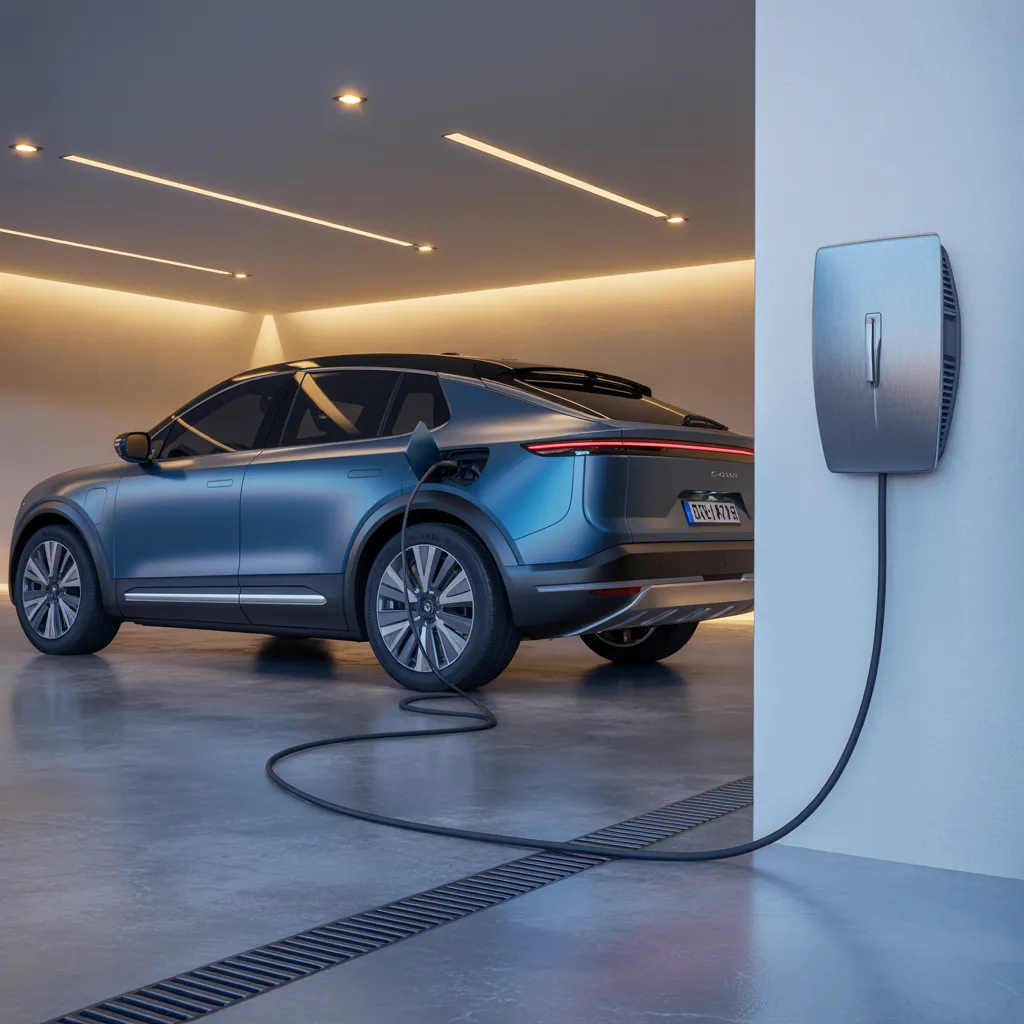
Why Should You Install an EV Charger at Home or Business?
Setting up an electric vehicle charger at home or business offers numerous advantages that can enhance sustainability and everyday convenience. Through having a dedicated charging station, EV owners can charge their vehicles during overnight hours or throughout the business day, doing away with the need for repeated stops at public charging locations. Not only does this save time, but it also ensures that the vehicle is always ready for use.
Additionally, setting up an EV charging unit can considerably decrease energy costs, especially with the possibility of time-of-use rates. Business owners can attract eco-conscious customers by showcasing their commitment to green business practices, improving their corporate identity. In addition, regional governing bodies regularly supply rewards for EV charging station setup, establishing it as a cost-effective choice.
Picking the Ideal Type of EV Charger for Your Situation
Selecting the right type of EV charger is important for improving charging efficiency and satisfying individual needs. There are primarily three types of chargers: Level 1, Level 2, and DC Fast Chargers. Level 1 chargers, which utilize standard household outlets, are perfect for overnight charging but provide slower charging speeds. Level 2 chargers offer faster charging and are well-suited for home installations, supporting various vehicle models efficiently. For business applications or quick charging needs, DC Fast Chargers considerably reduce charging time but demand specialized electrical infrastructure.
When choosing a EV charger, key aspects include the compatibility of the vehicle, the everyday driving range, and available power supply. Additionally, cost considerations and available installation space should be evaluated, as some chargers may require professional installation. At the end of the day, selecting the appropriate EV charger can enhance convenience and efficiency, rendering it a critical decision for all electric vehicle owners.
What You Need to Know Before Installing Your EV Charger
Prior to beginning the installation of an EV charger, a number of essential considerations must be examined to ensure a successful setup. Initially, one must examine the electrical capacity of the property or building. Ensuring that the existing electrical system can accommodate the additional load is essential to protect against system overloads. Furthermore, the location of the charger should be chosen carefully, taking into account accessibility, proximity to parking spaces, and protection from weather elements.
Moreover, local building codes see this article and regulations must be reviewed to verify compliance, as certain regions may impose specific requirements for EV charger installations. Hiring a licensed electrician is highly recommended, as they have the expertise to inspect the site, advise on proper equipment, and verify a safe installation. Finally, considering future needs, such as anticipated expansions for extra vehicles or advanced charging capabilities, can provide long-term benefits. Proper planning can lead to a seamless and efficient EV charging experience.
How to Install Your EV Charger: An Easy Step-by-Step Guide
Mounting an EV charger necessitates thorough planning and precise execution. First, the mounting location must be evaluated to confirm it fulfills all necessary safety and access criteria. Following this, the correct wiring of electrical elements is critical for the reliable and secure performance of the charging unit.
Setting Up Your Installation Site
Preparing the installation site for an EV charger is a essential step that sets the foundation for a successful setup. To begin, the location should offer easy access to the vehicle, preferably close to the power source. The surface must be sturdy, guaranteeing the charger remains secure. Remove any debris, vegetation, or obstacles that could obstruct installation or access. If installing outdoors, evaluate factors such as exposure to weather and closeness to existing electrical infrastructure. Evaluate the electrical capacity of the home to confirm it can handle the charger. As a final step, check local regulations and obtain necessary permits, as compliance with codes is vital for safe operation. Proper preparation will facilitate a smoother installation process and enhance overall efficiency.
Connecting Electrical Components
With the installation area set up, the next step involves connecting the electrical components of the EV charger. First, the circuit breaker needs to be shut off to ensure safe working conditions. The technician must then attach the charger's power cables to the assigned circuit. In most cases, this involves connecting the live, neutral, and earth wires as outlined by the manufacturer's guidelines. It is critical to ensure all connections are properly secured, using appropriate tools to prevent any loose wires. Following this, the installer should firmly attach the charger to the wall or pedestal, ensuring it is properly leveled. After all connections are made, the circuit breaker can be turned back on. As a final step, a detailed examination should be conducted to confirm that all components are working properly before putting the charger into service.
Top Practices for Safe and Effective EV Charging
Ensuring safe and efficient EV charging is essential for vehicle longevity as well as user safety. To accomplish this goal, it is important for users to choose chargers that meet local electrical codes and standards. The charger should be installed in a well-ventilated space, away from potential hazards such as water sources or flammable materials. Periodic checking of charging cables and connectors is necessary to spot signs of wear or damage that might jeopardize safety.
Moreover, it is important for users to keep track of the charging process and prevent circuit overloads. Using timers or smart charging options can assist in managing energy usage and lowering costs. Users should also be informed about correct charging etiquette, such as disconnecting the vehicle immediately after charging to avoid overheating. By adhering to these best practices, safety and efficiency can both be significantly enhanced, ultimately enhancing the EV charging experience for all users.
How to Maintain Your EV Charger for Long-Term Performance and Durability
Adequate maintenance of an EV charger plays a major role in its durability and efficiency. Routine checks are necessary to verify all connections are secure and free from corrosion. Wiping down the charging port and cable can prevent dirt accumulation, which may reduce charging performance. Additionally, users should periodically check for software updates, as manufacturers frequently provide improvements that boost overall functionality and system security.
It is also important to pay attention to the charging environment. Keeping the charger in a sheltered area can shield it from harsh weather conditions that could lead to damage. A surge protector can protect the charger from unexpected electrical surges.
Additionally, recording any irregular occurrences, such as sluggish charging or warning messages, can support effective troubleshooting. Implementing these maintenance routines ensures that the EV charger remains in prime condition, ultimately enhancing the user experience and extending the device's operational lifespan.
Frequently Asked Questions
Should I Install an EV Charger Myself, or Hire a Professional?
People are able to install an EV charger themselves if they demonstrate the necessary skills and knowledge; however, working with a professional installer is often recommended for safety, compliance with local regulations, and ensuring peak performance of the charging system.
What Permits Are Required for EV Charger Installation
EV charger installation permits typically include electrical permits along with zoning permits in select regions. Regulations differ depending on the area, so consulting local regulations and possibly hiring a professional can guarantee compliance and safety.
How Much Does EV Charger Installation Typically Cost?
The typical cost of EV charger installation ranges between $500 and $2,000, based on factors including labor rates, electrical upgrades, and site complexity. Extra costs may be incurred for specific equipment requirements or permits.
What Is the Duration of the Installation Process?
The installation procedure for an EV charging unit typically takes four to eight hours on average, based on the complexity of the electrical system and the type of charger being set up, along with any required permits or inspections.
Can You Get Tax Credits or Rebates for EV Charger Installation?
Absolutely, numerous tax credits and rebates are provided for the installation of EV chargers. These financial benefits are commonly influenced by location and local regulations, inspiring both homeowners and business owners to commit to eco-friendly EV charging infrastructure for more environmentally friendly transportation.